Imagine a world of beer beyond the familiar bite of hops—a realm where ancient herbs, fragrant spices, and natural botanicals weave together to create brews unlike anything you’ve tasted before. This isn't a fantasy; it's the captivating reality of gruit ales, a historical style experiencing a vibrant modern renaissance. If you're ready to broaden your beer horizons, Finding & Enjoying Commercial Gruit Ales Today offers a uniquely aromatic journey into an overlooked, yet utterly delightful, corner of the craft beer universe.
For centuries, before hops became the dominant flavoring agent, gruit was king. These herb-infused ales powered medieval Europe, offering complex flavors, fascinating aromas, and even a touch of historical intrigue. Today, adventurous brewers are reviving this tradition, crafting beers that challenge perceptions and reward curiosity.
At a Glance: What You'll Discover About Gruit Ales
- Hops-Free Heritage: Gruit ales are brewed without hops, relying instead on unique blends of herbs and spices for flavor and balance.
- Ancient Roots, Modern Revival: This brewing tradition dates back to medieval Europe and is now being rediscovered by craft brewers globally.
- Diverse Flavor Profiles: Expect aromatic, herbal, and sometimes fruity or spicy notes, balanced by a malt backbone, offering a distinct alternative to hop-heavy beers.
- Commercial Examples Aplenty: A growing number of breweries are releasing excellent gruit ales, from traditional takes to innovative modern interpretations.
- Pairing Perfection: Their complex profiles make them incredibly versatile companions for a wide range of dishes.
- Easy to Find (with a little know-how): We'll show you how to seek out these unique brews and what to look for when you do.
A Journey Back in Time: What Exactly is Gruit?
At its core, gruit is a blend of herbs and plants used to flavor and bitter beer, entirely excluding hops. Think of it as beer's original spice rack. This ancient brewing tradition was the standard across Europe for over a millennium, from the days of ancient Egypt right up until the 15th and 16th centuries. Regions like Germany, the Netherlands, and Belgium were particularly known for their gruit traditions, each with unique local herb combinations.
Historically, gruit blends often included a fascinating array of botanicals: bog myrtle (sweet gale), yarrow, wild rosemary, mugwort, and even juniper berries. These ingredients did more than just flavor the beer; many also offered antimicrobial properties, acting as natural preservatives long before hops were widely accepted for that role. For context, the widespread use of hops, which we now consider synonymous with beer, only became standard practice around the 15th century. In fact, hops were initially met with resistance, deemed "unpatriotic, immoral, and therefore illegal" in 16th-century England! The shift to hops was influenced by various factors, including the 1516 Bavarian Beer Purity Law (Reinheitsgebot) which mandated barley, water, and hops, effectively marginalizing gruit.
Today's craft beer movement, always eager to explore history and push boundaries, has sparked a significant revival. Brewers are looking beyond hops, drawing inspiration from these ancient recipes and experimenting with diverse local herbs and spices to create truly distinctive beverages.
Why Gruit Ales Are Making a Comeback (and Why You Should Care)
In a world saturated with IPAs and other hop-forward styles, gruit ales offer a breath of fresh, herbal air. Their resurgence isn't just a nod to history; it's a testament to their inherent appeal and versatility.
The Allure of the Unfamiliar: Aromatic, Herbal, Complex
For many, the first sip of a gruit ale is a revelation. Without the dominating bitterness of hops, other flavors and aromas are allowed to shine. You might encounter floral notes from yarrow, earthy undertones from bog myrtle, or a zesty brightness from lemongrass. These aren't just one-note beers; they offer an aromatic tapestry that invites deeper exploration with every glass. It's an experience that engages your senses in a completely different way than a typical pale ale or lager.
Beyond the Bitter Bomb: A Refreshing Alternative
If you've ever felt fatigued by the pervasive bitterness of modern craft beer, gruit ales are your antidote. They provide a harmonious balance of herbal, spicy, and often subtly sweet malt flavors. This lack of hop bitterness makes them incredibly approachable for those new to craft beer, or for seasoned drinkers looking for something genuinely different. They showcase the vast potential of beer to be flavored by nature's bounty, not just a single plant.
Craft's New Frontier: Brewers Embracing Tradition and Innovation
The modern craft beer movement thrives on innovation, and gruit ales fit perfectly into this ethos. Brewers are like culinary artists, carefully selecting and blending herbs to achieve unique flavor profiles. Some are meticulously recreating historical recipes, while others are forging new paths with inventive combinations of herbs, spices, and even fruits. This spirit of experimentation means that no two gruit ales are exactly alike, offering an endless adventure for your palate. This is a clear signal that the beer world is evolving, looking backward to move forward.
The Flavor Palette of Gruit: What to Expect
Approaching a gruit ale for the first time can feel like exploring an unknown spice market. What will you discover? While each gruit is unique, there are some common characteristics that define this fascinating style.
Appearance: A Spectrum of Nature's Hues
Gruit ales typically present a visually appealing range, from pale gold to deep amber. You'll often find them to be clear to slightly hazy, reflecting the natural ingredients used. A frothy white head is common, inviting you to take that first aromatic whiff. Don't be surprised if you occasionally see a slight haziness from the herbs or traditional brewing methods; it's often a sign of their authenticity.
Aroma: An Herbal Symphony
This is where gruit ales truly shine. The aroma is typically a fragrant blend of herbs, spices, and a delicate malt sweetness. Imagine walking through a medieval apothecary or an enchanted forest. Common notes you might encounter include:
- Floral: From yarrow or lavender.
- Citrus: If ingredients like orange peel or lemongrass are used.
- Earthy: Think bog myrtle, sweet gale, or even mushroom notes.
- Spicy: From ingredients like ginger, rosemary, or juniper berries.
- Fruity: If fruits like berries or apples are incorporated.
The absence of hops allows these complex aromas to really pop, creating an olfactory experience that is often much more nuanced than typical hop-forward beers.
Flavor Profile: Layers of Complexity
On the palate, gruit ales deliver a harmonious mix of herbal, spicy, and sometimes fruity notes, all beautifully balanced by a robust malt backbone. The magic lies in the layers of complexity that unfold as you sip. You might first taste a bright herbal note, followed by a hint of spice, and then a comforting malt sweetness that lingers.
There's no single "gruit flavor," but rather a spectrum of possibilities. Some might be subtly sweet and earthy, while others are bright, zesty, and warming. The key is the balance; no single herb should overpower the others, but rather contribute to a cohesive and intriguing whole. This makes each gruit ale a unique discovery, rewarding careful attention.
Mouthfeel: Smooth and Inviting
Expect a medium body for most gruit ales, providing a satisfying presence on the tongue without being overly heavy. The texture is often described as smooth, sometimes slightly creamy, which complements the herbal notes beautifully. Gentle effervescence provides a pleasant lift, making these beers refreshing and easy to drink. The overall mouthfeel contributes to the beer's drinkability, ensuring the complex flavors are enjoyable, not overwhelming.
Finding Your Perfect Gruit: Traditional vs. Modern Interpretations
Just like other beer styles, gruit ales aren't a monolith. They come in various forms, offering different experiences depending on the brewer's approach. Understanding these categories can help you narrow down your search and discover what truly excites your palate.
Traditional Gruit Ales: A Taste of History
These gruits aim to recreate the historical recipes and brewing methods of medieval Europe. They often feature classic herb blends that might include bog myrtle (sweet gale), yarrow, wild rosemary, and mugwort. The flavors tend to be more earthy, subtly sweet, and less overtly "spicy" than modern interpretations. Think of them as historical documents you can drink, offering a direct link to brewing's past.
Modern Interpretations: Innovation Unleashed
The modern craft beer movement loves to innovate, and gruit ales are no exception. These interpretations push boundaries, incorporating a wider array of herbs, spices, and even fruits from around the globe. You might find brewers experimenting with lemongrass, ginger, juniper berries, coriander, chamomile, or exotic spices. These brews often present vibrant, zesty, or even surprisingly fruity flavor profiles, showcasing the endless possibilities when brewers combine ancient traditions with contemporary creativity.
Regional Gems: Gruit Across the Globe
While gruit's roots are firmly in medieval Europe, its spirit of herb-based flavoring can be found in various regional brews. Finland’s Sahti is a fantastic example: a traditional farm ale often flavored with juniper, sometimes with a touch of hops. This shows how local ingredients and traditions have always shaped beer, and how gruit's essence transcends specific historical eras. Each regional variation tells a story of local flora and cultural taste.
Where to Look: Your Gruit Discovery Map
Finding gruit ales might require a bit more effort than locating a standard IPA, but the reward is well worth it.
- Craft Breweries: Many smaller, experimental craft breweries are leading the gruit revival. Check their websites, social media, or call ahead to see if they have any gruit ales on tap or in bottles. Many will brew seasonal or one-off batches.
- Specialty Beer Stores: High-end beer shops with extensive selections are more likely to carry bottled gruit ales from regional or international producers. Don't hesitate to ask the staff; they are often knowledgeable and passionate about unique styles.
- Online Retailers/Beer Finder Apps: Websites like Untappd or local online beer retailers can help you track down specific gruit ales in your area or for delivery. You can often filter by style or search for breweries known for their experimental brews.
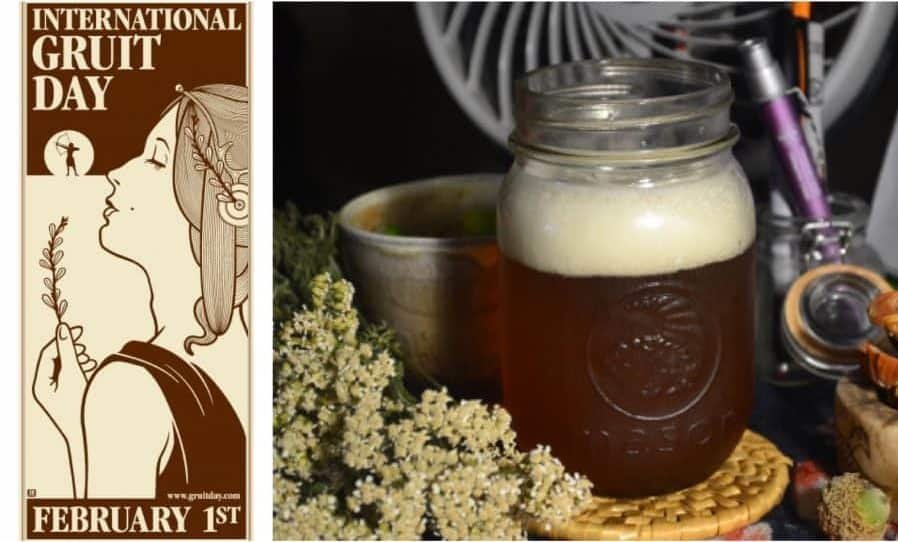
- International Gruit Day: Mark your calendars for February 1st! Since 2013, International Gruit Day has been celebrated globally, with many breweries releasing special gruit batches. It's a fantastic day to seek out and try these unique beers.
Commercial Gruits to Seek Out (and What Makes Them Special)
Ready to dive in? Here are some notable commercial examples that illustrate the diversity and deliciousness of gruit ales, giving you a tangible starting point for your exploration.
- Beau’s All Natural Brewing Co. Bog Water (Canada): This Canadian gem is a fantastic introduction to traditional gruit. It features indigenous bog myrtle and sweet gale, alongside other herbs, creating an earthy, slightly sweet, and remarkably refreshing malty brew. It’s an ode to nature and tradition in a glass.
- Grimm Brothers Brewhouse Grimm’s Gruit (USA): A delightful modern interpretation, this gruit skillfully combines rosemary and juniper berries. The result is a fragrant, slightly spicy ale with a wonderful aromatic lift that will remind you of a walk through a pine forest.
- Upright Brewing Reggae Junkie Gruit (USA): For those seeking vibrancy and zest, Upright Brewing delivers. Brewed with lemongrass, ginger, and yarrow, this gruit is bright, zesty, and incredibly refreshing. It’s a testament to how well gruit can carry bold, lively flavors.
- Unibroue Raftman (Canada): A unique take that blends gruit with a smoked malt character. Unibroue’s Raftman offers intriguing notes of applewood smoke beautifully complemented by subtle herbal undertones. It’s a complex and warming beer, perfect for cooler evenings.
- Scratch Brewing Gruit (USA): This Illinois-based brewery is renowned for its hyper-local, foraged approach. Each batch of Scratch Brewing Gruit is unique, utilizing locally gathered herbs and spices depending on the season. This makes every bottle a distinct expression of time and place, truly characterful and deeply connected to nature.
Tips for Discovery
When you're out exploring, don't be shy!
- Ask Your Local Brewmaster: Many brewers are passionate about gruit and eager to share their knowledge.
- Check Brewery Websites and Untappd: These are invaluable resources for tracking down seasonal releases or permanent gruit offerings.
- Read Tasting Notes: Pay attention to the specific herbs listed, as this will give you clues about the flavor profile you can expect.
Pairing Gruit Ales with Food: An Herbal Culinary Adventure
Gruit ales, with their complex herbal and spicy profiles, are incredibly versatile at the dinner table. They offer a unique opportunity to elevate your meals and discover new flavor synergies that go beyond traditional beer pairings. Think of them as an extra spice or seasoning for your dish.
Traditional Gruit Ales: Hearty & Earthy Companions
For gruits with a more earthy, malty, and subtly sweet character, focus on pairings that can stand up to their depth without being overshadowed.
- Roasted Meats: A traditional gruit pairs beautifully with roasted chicken, herb-crusted lamb, or a succulent pork roast. The herbal notes in the beer will naturally complement the herbs used in the cooking.
- Hearty Stews: The malt backbone and earthy flavors make them an excellent match for rich, savory beef or mushroom stews. They cut through richness while adding another layer of complexity.
- Root Vegetables: Roasted carrots, parsnips, or potatoes with herbs will find a kindred spirit in a traditional gruit.
Modern Interpretations: Bold Flavors & Contrasting Notes
Modern gruits, with their brighter, spicier, or fruitier profiles, open up a world of more adventurous pairings.
- Spicy Dishes: A gruit with lemongrass or ginger can brilliantly complement Thai curries, spicy Asian noodles, or even a flavorful Indian dish. The beer's herbal zest can balance the heat.
- Grilled Vegetables: The subtle smoke and char of grilled asparagus, bell peppers, or zucchini can be enhanced by a gruit's aromatic qualities.
- Tangy Cheeses: Creamy goat cheese, sharp cheddar, or even a pungent blue cheese will find a delightful counterpoint in a modern gruit, especially one with brighter herbal or fruity notes. The herbal complexity can provide a fascinating contrast to the cheese's funkiness.
Regional Variations: Freshness & Balance
For gruits that lean into specific regional herbs, consider pairings that echo local cuisine or emphasize freshness.
- Fresh Salads: A light, zesty gruit can be a fantastic partner for a vibrant salad with a citrus vinaigrette and fresh herbs.
- Seafood: Grilled white fish or shrimp can be beautifully complemented by gruits with lighter, more delicate herbal notes.
- Fruity Desserts: If a gruit has pronounced fruity elements (from berries, for example), consider pairing it with a fruit tart or a berry crumble.
The key to pairing gruit ales is to think about the dominant herbs and spices and how they might interact with the food. Do they complement? Do they contrast? The complex herbal and spicy profiles of gruit ales enhance and balance a wide array of dishes, turning a simple meal into an exciting culinary exploration.
Beyond the Glass: Understanding Gruit's Unique Challenges & Why They Persist
Despite the undeniable revival interest, gruit ales face a few unique hurdles that prevent them from reaching mainstream ubiquity like IPAs or stouts. Understanding these challenges can deepen your appreciation for the brewers who craft them and help you advocate for this incredible style. You can Learn more about Grut and its broader history, but let's focus on its modern obstacles.
The Preservation Myth Debunked: Hops Aren't the Only Answer
One of the most persistent misconceptions surrounding gruit is the belief that hops are the only sufficient preservative for beer. This simply isn't true. While hops certainly possess excellent antimicrobial properties, many other herbs and spices traditionally used in gruit also have these qualities. Think of yarrow, bog myrtle, and various bittering herbs—they all contribute to beer stability in their own ways. This lingering myth makes some brewers hesitant and some consumers skeptical, but historical evidence and modern science confirm that gruit can be brewed and enjoyed without spoilage. It's about careful selection and blending of ingredients, just as it always was.
Brewing Complexity: The "250+ Herbs" Challenge
Brewing with hops is, in many ways, straightforward. You're working with a single plant, albeit with many varieties, and generally predictable extraction methods for bitterness and aroma. Gruit, however, is a whole different beast. As one expert noted, there are over 250+ varieties of herbs that can be used in brewing. Each herb has its own unique characteristics:
- Flavor Contribution: Some are intensely bitter (like mugwort, which needs a long boil), while others are delicate and aromatic (like redwood branches, added late in the boil, much like late-addition hops).
- Extraction Methods: Different herbs require different boil times, temperatures, or even steeping methods to release their desired flavors and aromas without introducing unwanted off-notes.
- Dosage Control: Getting the balance right is an art form. Too much of one herb can overpower the beer, while too little might render it flavorless.
This vast diversity and the nuanced extraction methods make brewing gruit significantly harder than brewing a hoppy beer. It requires a deep understanding of botanicals and a precise, experimental approach from the brewer.
Overcoming Consumer Aversion: The "Hand-Sell" Factor
Perhaps the biggest hurdle for gruit ales today is consumer unfamiliarity. In a market dominated by hoppy beers, many drinkers have developed an expectation of what beer "should" taste like. When confronted with an herbal, non-hoppy brew, there can be an initial aversion. This means gruit ales often require a "hand-sell" at the taproom—brewery staff need to be equipped to explain what gruit is, its history, its characteristics, and why it's a worthwhile adventure.
Educating the public about gruit is crucial. While different, gruit ales can be equally, if not more, enjoyable than traditional hoppy beers for those open to new experiences. This challenge presents an opportunity for education, inviting drinkers to step outside their comfort zones and discover a truly ancient and rewarding beverage.
Brew Your Own Gruit: A Step-by-Step Guide for the Adventurous Homebrewer
Feeling inspired to craft your own piece of history? Homebrewing gruit ales is a deeply rewarding experience, allowing you to experiment with herbs and create a truly unique beer. Here’s a basic recipe to get you started, focusing on traditional ingredients like yarrow and sweet gale.
Difficulty: Moderate (requires careful attention to herb balance)
Batch Size: 5 Gallons (approx. 19 liters)
Ingredients:
- Grains:
- 8 lbs (3.6 kg) Pale Malt (2-Row)
- 1 lb (450g) Wheat Malt
- (Optional: 0.5 lb (225g) Munich Malt for added malt complexity)
- Herbs (example blend):
- 1 oz (28g) Dried Yarrow (for bitterness and floral notes – add at 60 mins)
- 0.5 oz (14g) Dried Sweet Gale / Bog Myrtle (for earthy, spicy, and preservative qualities – add at 15 mins)
- 0.25 oz (7g) Dried Rosemary (for fragrant, slightly piney notes – add at 5 mins)
- (Optional: small amounts of dried ginger, orange peel, or juniper berries for further experimentation)
- Yeast:
- 1 packet (or equivalent liquid culture) Belgian Ale Yeast (e.g., Wyeast 1388 Belgian Strong Ale or White Labs WLP500 Trappist Ale). These yeasts often produce complementary fruity and spicy esters.
- Water: Appropriate brewing water (filtered or spring water).
Steps:
- Mash Grains:
- Heat 3.5 gallons (13.2 liters) of water to approximately 160°F (71°C).
- Add your crushed pale and wheat malts (and Munich, if using). Stir well to ensure there are no dough balls. The target mash temperature is 149°F (65°C). Adjust with hot or cold water as needed.
- Maintain this temperature for 60 minutes. This allows the enzymes in the malt to convert starches into fermentable sugars.
- Sparge & Boil:
- After mashing, "sparge" (rinse) the grain bed with hot water (around 170°F / 77°C) to extract the remaining sugars, collecting approximately 6.5 gallons (24.6 liters) of "wort."
- Bring the wort to a rolling boil.
- Add Yarrow: Once boiling, add the 1 oz of dried yarrow. Boil for 60 minutes. This provides the primary bittering.
- Add Sweet Gale: With 15 minutes remaining in the boil, add the 0.5 oz of dried sweet gale.
- Add Rosemary: With 5 minutes remaining in the boil, add the 0.25 oz of dried rosemary.
- Cool Wort:
- After the 60-minute boil, turn off the heat. Rapidly cool the wort to pitching temperature (around 65-70°F / 18-21°C) using an immersion chiller or ice bath. This prevents off-flavors and reduces the risk of contamination.
- Pitch Yeast:
- Transfer the cooled wort to a sanitized fermenter. Aerate the wort well (shaking or stirring vigorously) to provide oxygen for the yeast.
- Pitch your chosen yeast.
- Ferment:
- Ferment at 68°F (20°C) for approximately two weeks, or until fermentation activity subsides and gravity readings are stable.
- Bottle or Keg:
- Once fermentation is complete, transfer the beer to a sanitized bottling bucket or keg. Add priming sugar (for bottling) or force carbonate (for kegging) to achieve your desired carbonation level.
- Allow bottles to condition for at least two weeks before enjoying.
Tips for Success:
- Fresh Herbs are Key: Whenever possible, use fresh, high-quality herbs. If using dried, ensure they are fresh and fragrant. Store them properly to preserve their volatile oils.
- Start Small, Experiment Often: When trying new herbs, start with small quantities. You can always add more next time, but you can’t take it away! Keep detailed notes on your herb additions and their impact.
- Control Fermentation Temperatures: Maintaining a consistent fermentation temperature is crucial to prevent off-flavors and allow the yeast to produce clean, complementary esters.
- Sanitation is Paramount: As with all homebrewing, meticulous sanitation is your best defense against spoilage and off-flavors.
Challenges to Anticipate:
- Balancing Herbal Flavors: This is the primary art of gruit brewing. It's easy for one herb to overpower the malt base. Careful recipe formulation and incremental additions are vital.
- Maintaining Clarity and Carbonation: Some herbs can contribute to haze, and achieving consistent carbonation may take a few batches to perfect. Don't be discouraged by initial results; learn from each brew!
Homebrewing gruit is a journey of discovery. It connects you directly to the ancient brewers and the rich botanical world, offering a unique opportunity to truly make beer your own.
The Future is Herbal: Gruit Trends and Predictions
The revival of gruit ales isn't a fleeting trend; it's a deeper movement within the craft beer world that points towards a more diverse and experimental future. As brewers and drinkers continue to seek out novel experiences, gruit is poised for continued innovation and growth.
Current Trends: A World of Flavors and Terroir
Right now, the gruit scene is incredibly dynamic:
- Experimentation with New Ingredients: Brewers are casting a wider net, incorporating everything from exotic spices like cardamom and star anise to local fruits and indigenous botanicals. This is pushing the boundaries of what a "beer" can taste like.
- Foraging for Local, Terroir-Driven Herbs: There's a growing interest in using locally foraged herbs, giving gruit ales a distinct "sense of place." A gruit brewed with herbs from a specific forest or meadow will taste entirely different from one made with garden herbs, reflecting the unique terroir of its origin. This local focus also connects brewers more deeply with their natural environment.
- Collaboration and Education: Brewers are increasingly collaborating with herbalists, botanists, and even historians to create more authentic and innovative gruit recipes. This knowledge exchange is vital for pushing the style forward and educating consumers.
Future Predictions: Deeper Innovation and Sustainability
Looking ahead, we can expect gruit ales to evolve in even more exciting ways:
- Continued Innovation in Herb Combinations: As brewers gain more experience, expect even more complex and nuanced gruit blends, moving beyond simple single-herb infusions. We might see gruits that mimic cocktail profiles or explore entirely new aromatic territories.
- Advanced Brewing Techniques: Techniques like barrel-aging will likely become more common for gruits, adding layers of oak, vanilla, or even sour notes from wild fermentation. Imagine a gruit aged in a gin barrel, picking up botanical echoes. Wild fermentation using native yeasts and bacteria could also become a significant avenue, creating truly unique, spontaneously fermented gruit ales.
- Increased Focus on Sustainability and Local Sourcing: The emphasis on foraged and local herbs aligns perfectly with growing consumer demand for sustainable and ethically sourced products. Gruit ales, by their very nature, can be incredibly environmentally friendly, reducing reliance on monoculture crops like hops and celebrating biodiversity.
- Mainstream Acceptance: While still niche, as more exemplary commercial gruits become available and education spreads (perhaps even through dedicated "Gruit Corners" in craft beer bars), we predict a slow but steady increase in mainstream acceptance. The curious drinker is always looking for the next big thing, and gruit offers a genuinely unique proposition.
The future of gruit ales is as rich and diverse as the plant kingdom itself. It’s a future where tradition meets innovation, where local ecosystems inform global palates, and where the very definition of beer continues to expand in the most delicious ways.
Embrace the Ancient, Savor the New: Your Next Steps in the World of Gruit Ales
You've journeyed through the history, characteristics, and complexities of gruit ales, and now you're armed with the knowledge to explore this incredible style. This isn't just about finding a new beer; it's about connecting with an ancient craft, challenging your palate, and supporting brewers who dare to look beyond the ordinary.
Your next steps are clear:
- Seek Out and Taste: Use our guide to actively look for commercial gruit ales at your local craft breweries, specialty beer shops, or online. Don't be afraid to ask staff for recommendations.
- Experiment Fearlessly: Try different gruit examples, from traditional bog myrtle blends to zesty modern interpretations. Note the various herbs and spices used and how they influence the flavor.
- Share Your Discoveries: Talk to friends, post about your finds, and spread the word about these unique brews. The more demand there is, the more brewers will embrace this ancient art.
- Consider Homebrewing: If you're a homebrewer, take the plunge and craft your own gruit. It's a fantastic way to deepen your understanding and appreciation for this complex style.
- Mark Your Calendar for International Gruit Day: Celebrate on February 1st each year by seeking out and enjoying a gruit ale, honoring this rich brewing heritage.
Gruit ales offer a fascinating alternative to the hop-heavy beers that dominate the market. They are a testament to beer's rich history and its boundless potential. So, pour yourself a glass of gruit, take a moment to appreciate the centuries of tradition and natural artistry in your hand, and savor a flavor experience that is truly one of a kind. Your palate will thank you for the adventure.