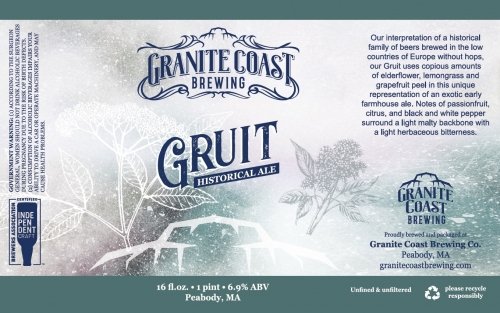
The brewing world is vast, filled with traditions, innovations, and a ceaseless quest for flavor. But what if the most exciting new frontier in craft brewing lies not in the future, but deep in the past? Welcome to the evocative realm of Modern Gruit Ale Brewing Techniques & Recipes, where ancient botanicals replace modern hops, unlocking a spectrum of tastes, aromas, and even effects lost to centuries.
This isn't just about making beer; it's about connecting with a forgotten history, embracing a diverse botanical pantry, and creating truly unique brews that stand apart. Whether you’re a seasoned homebrewer or a curious newcomer, preparing a gruit ale is an invitation to explore the very roots of fermented beverages, crafting liquid stories with every batch.
At a Glance: Your Guide to Modern Gruit Ale
- Gruit History: Before hops, gruit, a blend of herbs and spices, flavored nearly all European beer from 700-1700 AD.
- Herb Power: Gruit herbs offer diverse flavors (earthy, spicy, floral, bitter) and often stimulating properties, unlike the sedative hops.
- Versatile Addition: Incorporate herbs at the mash, various boil stages, or even in the fermenter (dry herbing) for different effects.
- Caution is Key: Potent herbs like wormwood require extreme care; start with small amounts and taste.
- Beyond the Hop: Gruits provide a unique sensory experience, often with higher alcohol and bitterness historically due to lack of refrigeration.
- Embrace Experimentation: There's no single "right" gruit recipe; creativity and detailed note-taking are your best tools.
Echoes of the Past: What Exactly is Gruit Ale?
Imagine a time when beer wasn't associated with the crisp bitterness of hops, but rather with an intriguing bouquet of local herbs and spices. That time was most of European history prior to the 16th century. "Gruit" refers to these ancient alcoholic beverages, as well as the proprietary blend of herbs and spices themselves, which served as the primary flavoring and preserving agent in beer for nearly a millennium.
This era, roughly from 700 to 1700 AD, saw gruit reign supreme. But the tide began to turn around 1100 AD when the antiseptic properties of hops, offering superior preservation for longer-lasting beer, started to gain traction. The final nail in gruit's coffin came with the 1516 Reinheitsgebot (German Purity Law), which famously restricted beer ingredients to water, barley, and hops (yeast was added later), effectively banishing gruit from mainstream brewing.
Historically, gruit brews often carried higher alcohol content and bitterness. This wasn't just for flavor; without refrigeration, a stronger brew was less susceptible to spoilage from bacteria. A key distinction, and one that resonates deeply with modern brewers seeking unique experiences, is the nature of the flavorings themselves. While hops are known for their sedative qualities, many traditional gruit herbs possess psychoactive or stimulating properties, offering a different kind of "kick" to the brew. These ancient recipes were often closely guarded secrets, making historic formulas scarce, but opening the door wide for modern interpretation and revival.
Why Trade Hops for Herbs? The Modern Gruit Appeal
So, with centuries of hop-forward brewing tradition, why would a modern brewer turn to gruit? The reasons are as varied and compelling as the herbs themselves:
- Uncharted Flavor Territory: Hops, for all their versatility, can be limiting. Gruit herbs offer an entirely new palate of earthy, spicy, floral, resinous, or even subtly fruity notes that can't be replicated with standard hop varieties. Think beyond IPAs and stouts to something truly unique.
- Historical Connection: There’s a profound satisfaction in recreating a beverage that hasn't graced many palates for hundreds of years. It’s a tangible link to ancient cultures and forgotten brewing practices, a liquid archaeology in your fermenter.
- Creative Freedom: Without the constraints of traditional hop profiles, you're free to experiment with a vast array of botanicals, crafting truly signature brews. It's an invitation to be an artist, blending nature's bounty into a cohesive, delicious whole.
- Local & Foraged Ingredients: Many gruit herbs are native to specific regions, encouraging brewers to forage locally and connect with their immediate environment, adding another layer of provenance to their creations.
- A Different Kind of "Buzz": For those intrigued by the historical claims of stimulating or even mildly psychoactive properties of some gruit herbs (like mugwort or yarrow), brewing gruit offers a chance to explore a different facet of the drinking experience, distinct from the relaxing effect often associated with hops.
Your Botanical Brew Kit: Exploring Gruit Herbs
The world of gruit herbs is vast, encompassing everything from common kitchen spices to wild-foraged botanicals. Understanding their individual characteristics is key to crafting a balanced and delicious brew.
Here’s a look at some popular gruit herbs and their general flavor profiles:
- Myrica Gale (Sweet Gale/Bog Myrtle): Often considered the quintessential gruit herb. It imparts resinous, peppery, slightly minty, and aromatic notes, sometimes with a subtle bitterness. It's often used as a direct hop substitute.
- Wild/Marsh Rosemary (Ledum palustre): Offers a potent, camphor-like, and somewhat minty aroma and flavor. Use sparingly.
- Yarrow (Achillea millefolium): Contributes a slightly bitter, spicy, and aromatic floral character. Historically used for both flavor and its potential to enhance the brew's effects.
- Juniper: Berries add a distinctive piney, resinous, and slightly peppery flavor. Tips offer a fresher, citrusy pine note.
- Spruce Tips/Birch Tips: Provide bright, citrusy, and resinous flavors, evoking the freshness of the forest. Best used when young and tender.
- Bay Leaf: Adds a subtle, savory, and slightly peppery note, often grounding other more vibrant flavors.
- Nettles: Can contribute an earthy, slightly vegetal, and mineral character, often balancing richer malts.
- Marjoram/Chamomile: Offer delicate, floral, and herbaceous notes. Chamomile can add a calming quality.
- Rose Hips/Elder Flowers: Bring fruity, floral, and subtly tart notes. Elder flowers can be very aromatic.
- Dried Licorice Root: Adds sweetness, a distinct anise-like flavor, and body to the brew.
- Fennel Seed/Caraway: Provide strong anise, licorice, and peppery notes, respectively. Use with restraint.
- Mugwort (Artemisia vulgaris): Historically significant for its reported stimulating properties. It has a distinctive bitter, slightly sage-like, and aromatic flavor. Use cautiously due to potency.
- Cloves/Cardamom: Potent spices, offering intense warmth, sweetness, and complexity. Best used in very small quantities, especially in the last few minutes of the boil.
A Word of Caution: Potency is Paramount
When working with gruit herbs, remember this golden rule: it's easier to add more than to remove excess bitterness or overpowering flavor. Many gruit herbs are significantly more potent than hops. Herbs like wormwood, for instance, are incredibly bitter and can quickly overwhelm a brew. Always start with conservative amounts, especially when experimenting with a new herb.
For those eager to dive deeper into the historical and practical applications of gruit herbs, a highly recommended resource is Sacred and Herbal Healing Beers, The Secrets of Ancient Fermentation by Stephen Harrod Buhner. It's an invaluable guide for understanding the traditions and properties of these ancient botanicals.
Mastering the Method: Gruit Herb Addition Techniques
Just like hops, the timing of your gruit herb additions profoundly impacts the final flavor, aroma, and even perceived effects of your ale. Understanding these techniques is crucial for achieving your desired profile.
- In the Mash:
- Purpose: Gentle extraction of more subtle flavors, tannins, and potentially some fermentable sugars or starches (if the herbs contain them). It's also where some historical recipes began their infusion.
- Method: Add loose herbs directly to the mash tun with your grains.
- Effect: Often results in a foundational, earthy character, with less volatile aromatic compounds preserved. Bitterness may be mellowed.
- Best For: Herbs where a soft, integrated flavor is desired, or those with tannins that can contribute to mouthfeel.
- During the Boil (Various Stages):
- 60+ Minute Boil (Bittering Herbs):
- Purpose: Extracting bitterness and deep foundational flavors, much like bittering hops. Longer boil times can drive off more delicate aromatics.
- Method: Add dried, crushed, or whole herbs at the start of the boil. Often placed in a hop bag for easy removal.
- Effect: Produces a more pronounced bitterness and a deeper, more cooked-down flavor profile.
- Best For: Herbs intended to provide a backbone of bitterness or a robust base flavor, like bog myrtle or juniper.
- 15-20 Minute Boil (Flavor Herbs):
- Purpose: Extracting a balance of flavor and some aroma, while allowing more volatile compounds to persist than a long boil.
- Method: Add herbs roughly 15-20 minutes before the end of the boil.
- Effect: A more pronounced flavor contribution with a lingering aromatic quality.
- Best For: Many middle-ground herbs where a clear flavor contribution is desired, but not overwhelming bitterness.
- 5-10 Minute Boil (Aroma Herbs):
- Purpose: Maximizing the preservation of delicate aromatics and more volatile flavors.
- Method: Add herbs in the last 5-10 minutes of the boil, or even at flameout.
- Effect: Stronger aromatic presence in the finished beer, brighter and fresher flavors.
- Best For: Floral herbs (elderflower, chamomile), citrusy herbs (spruce tips), or potent spices (cardamom, cloves) where a punch of aroma is key.
- Dry Herbing (In the Primary Fermenter):
- Purpose: To infuse potent, fresh aromas and delicate flavors without subjecting herbs to heat, preserving their nuanced character.
- Method: Add herbs directly to the primary fermenter after the most vigorous fermentation has subsided, usually for 3-7 days. Can be loose or in a sanitized mesh bag.
- Effect: Bright, fresh, and often very aromatic contributions. Less bitterness extraction.
- Best For: Highly aromatic herbs, delicate flowers, or when you want a "raw" herbal character to shine through. This method allows you to truly dial in the aroma without compromising the beer's structure.
- For more specific insights into how different ingredients impact your brew, consider delving into advanced herbal brewing guides.
Beyond the Botanicals: Crafting Your Gruit Foundation
While the herbs are the stars, a successful gruit ale still relies on a solid brewing foundation. Your choice of grains, yeast, and water can significantly influence how your herbal symphony plays out.
Grain Bills: Building the Canvas
Gruit ales are often characterized by a rich, complex malt profile that can stand up to the potent herbal additions. While simple pale malts can serve as a base, incorporating specialty malts adds depth and color.
- Base Malts: Pale Malt (2-row), Maris Otter, or Wheat Malt are excellent starting points.
- Specialty Malts:
- Caramel/Crystal Malts (e.g., Caramel 60L): Add sweetness, body, and a range of caramel/toffee flavors that can complement many herbal notes.
- Wheat Malt: Boosts head retention, adds body, and provides a subtle bready character.
- Oats (Flaked or Steel Cut): Contribute to a silky mouthfeel and creamy body, which can soften the edges of more assertive herbs.
- Rye Malt: Imparts a dry, spicy character that can harmonize with peppery herbs.
- Smoked Malt: For a truly historical or adventurous brew, smoked malt (like in the "Do It To It" recipe) can evoke ancient hearths and give a unique savory backdrop.
- Darker Malts (Chocolate Malt, Roasted Barley, Black Patent): Use sparingly for color and notes of coffee, chocolate, or roast, adding complexity but careful not to overpower delicate herbs.
- Exploring various malt types for your gruit base can unlock new flavor dimensions.
Yeast Selection: The Unsung Hero
The yeast strain you choose will interact with your gruit herbs, shaping the final flavor and aroma. - Clean Ale Yeasts (e.g., American Ale/Chico, Wyeast 1056): These yeasts ferment cleanly, allowing the herbal profile to shine without introducing significant yeast esters or phenols. Ideal for showcasing the botanical blend.
- Belgian or German Ale Yeasts (e.g., Wyeast 3068 Weihenstephaner Weizen, or other Belgian strains): These can add fruity esters (banana, pear) or spicy phenols (clove, pepper) that might complement certain herbal combinations beautifully, creating a more complex brew. Be mindful of potential clashes, though.
- Lager Yeasts: While less common, a clean lager fermentation could provide a crisp backdrop for very delicate gruit blends, allowing subtle herbal notes to come forward.
Water Chemistry: The Foundation of Flavor
Don't overlook water! Soft water with minimal mineral content often works best for gruit, as it allows the nuances of the herbs to come forward without being masked by harsh mineral profiles. Adjusting pH to the appropriate range for mashing is always important for efficiency and flavor extraction.
To Hop or Not to Hop?
Traditionally, gruit ales were unhopped. However, modern brewers sometimes add a small amount of low-alpha acid hops (like Northern Brewer in the Mumm Gruit recipe) primarily for stability, head retention, or a subtle bittering background, rather than a pronounced hop flavor. If you aim for historical authenticity, skip the hops entirely. If you're building a "modern gruit," a touch of hops can be a bridge to familiarity.
Recipes from the Rafters: Tried-and-True Gruit Formulas
Ready to get your hands (and kettle) dirty? Here are a few reliable gruit ale recipes, demonstrating various techniques and flavor profiles. Remember to approach these as starting points, ready for your personal touch.
1. The Mumm Gruit Ale: A Robust Partial Mash
This recipe offers a fantastic entry point into gruit brewing, combining the ease of partial mash with a complex grain bill and a thoughtful herb selection.
- Batch Size: 5 Gallons
- Expected Specs: OG: 1.055–1.062, FG: 1.018–1.014, ABV: 5.7–6.7%
- Ingredients:
- Fermentables: 3.3 lbs light LME, 3.3 lbs wheat LME, 0.75 lb caramel 60L malt, 0.33 lb wheat malt, 1.5 lbs steel cut oats, 0.25 lb rye malt, 0.25 lb black patent malt, 0.25 lb roasted barley.
- Hops: 1 oz Northern Brewer (60 min).
- Gruit Herbs: 0.25-0.5 oz each of six chosen herbs/spices (e.g., bog myrtle, yarrow, juniper berries, elderflower, orange peel, coriander).
- Yeast: Wyeast 3068 Weihenstephaner Weizen Yeast.
- Steps:
- Mash: Crush caramel 60L, wheat malt, oats, rye malt, black patent malt, and roasted barley. Mash in 1.5 gallons of water at 148˚F (64˚C) for 60 minutes.
- Sparge: Sparge with 0.5 gallons of 170˚F (77˚C) water.
- Boil Prep: Add light LME and wheat LME to the collected wort. Bring to a boil.
- Boil: Once boiling, add the 1 oz Northern Brewer hops and your chosen 6 herbs/spices. Boil for 60 minutes. Note the single addition for both hops and herbs, suggesting a focus on bittering and integrated flavor.
- Chill & Ferment: Chill the wort rapidly, transfer to a clean, sanitized fermenter. Top up with cool, clean, chlorine-free water to a total of 5 gallons.
- Pitch Yeast: When wort is 70˚F (21˚C) or below, pitch your Wyeast 3068 Weihenstephaner Weizen Yeast.
- Fermentation: Ferment at 65-70˚F (18-21˚C) for 1-2 weeks.
- Bottle/Keg: Bottle with 2/3 cup priming sugar and condition for 3-6 weeks or longer.
2. Simplicity in a Glass: The 1-Gallon All-Grain Gruit
This all-grain recipe keeps the ingredient list minimal, focusing on a few core gruit herbs and an extended mash for deeper extraction. It's perfect for small batches and experimentation.
- Batch Size: 1 Gallon
- Ingredients:
- Grains: 1.75 lbs pale malt, 1.5 lbs Carapils malt.
- Gruit Herbs: 1.5 grams myrica gale, 1.5 grams marsh rosemary, 1.5 grams yarrow.
- Yeast: Ale yeast (e.g., a clean American or English ale strain).
- Steps:
- Mash: Heat 1 gallon of water to 170˚F (77˚C) and mash in the crushed pale and Carapils malts.
- Mash Rest: Let the mash rest for 3 hours, stirring occasionally. This extended mash aims for maximum conversion and extraction, common in some historical methods.
- Sparge: Sparge with 170˚F (77˚C) water to collect just over 1 gallon of wort.
- Boil: Add the myrica gale, marsh rosemary, and yarrow to the wort. Boil for 90 minutes.
- Chill & Ferment: Chill the wort to 70˚F (21˚C) or below, transfer to fermenter, and pitch your ale yeast.
- Bottle: Prime with 24 grams corn sugar and bottle.
- Conditioning: Condition for a significant 4 months. This long conditioning time allows the herbal flavors to meld and mature, crucial for gruit ales.
3. The "Do It To It": A Bold, Spiced Adventure
For those looking for a gruit with a distinct personality, this partial mash recipe incorporates smoked malt and a complex blend of spices, added late in the boil for maximum aroma.
- Batch Size: 5 Gallons
- Expected Specs: OG: 1.054, ABV: 4.5–5.2%, IBUs: 10, SRM: ~25
- Ingredients:
- Fermentables: 5 lbs amber DME, 0.5 lb caramel 60L malt, 1 lb smoked malt, 0.25 lb chocolate malt.
- Gruit Herbs: 2 oz juniper berries, 5g bog myrtle, 5g caraway, 5g mugwort, 5g winemaker’s tannin or grape seeds, 3g rosemary, 3g ground cloves, 3g cardamom, 3 bay leaves.
- Yeast: Belgian or German ale yeast.
- Steps:
- Mash: Crush caramel 60L, smoked malt, and chocolate malt. Mash for 1 hour at 154˚F (68˚C).
- Sparge & Collect: Sparge and collect about 6.5 gallons of wort.
- Boil Prep: Add amber DME to the wort. Bring to a boil.
- Boil: Boil for 90 minutes.
- Herb Addition: Add all gruit herbs/spices in the last 5 minutes of boil. This late addition ensures a strong aromatic presence and distinct spice character.
- Chill & Ferment: Cool wort, transfer to fermenter, and pitch your chosen Belgian or German ale yeast.
- Conditioning: Condition for at least 6-8 weeks.
4. Pog Mo Thoin Gruit Ale III: Layering Herbal Depth
This all-grain recipe showcases a sophisticated approach to gruit, layering herbal additions at multiple stages—mash, boil, and fermenter—for maximum complexity and depth.
- Batch Size: (Implied 5+ gallons based on grain bill)
- Grain Bill:
- 75% (12 lbs) Pale Malt (2-row)
- 12.5% (2 lbs) Caramel-pils
- 12.5% (2 lbs) Melanoidin Malt
- Gruit Herbs (Note: Grams are precise!):
- Add to mash (loose): 56.7gm Yarrow, 56.7gm Marsh Rosemary, 2.0gm Myrica Gale.
- Add to boil (60 mins, in bags): 28.4gm Yarrow, 28.4gm Marsh Rosemary, 2.0gm Myrica Gale.
- Add to boil (20 mins): 1.5 units Whirlfloc or Irish Moss (for clarity).
- Add to primary fermenter (in bags): 28.4gm Yarrow, 28.4gm Marsh Rosemary, 2.0gm Myrica Gale.
- Yeast: Wyeast 1056 American Ale/Chico (using a 2/3 gallon starter).
- Steps:
- Mash: Single Infusion Mash at 149˚F (65˚C) for 90 minutes. Add specified herbs (Yarrow, Marsh Rosemary, Myrica Gale) loose into the mash.
- Boil: Follow standard boil procedures. Add the 60-minute boil herbs in bags at the start of the boil, and the 20-minute addition (Whirlfloc/Irish Moss) as specified.
- Ferment: Ferment at 68˚F (20˚C).
- Dry Herbing: Add the remaining specified herbs (Yarrow, Marsh Rosemary, Myrica Gale) in bags to the primary fermenter.
- Result (from source notes): This gruit resulted in a medium dark amber/yellow color with an herb-like flavor that mellowed over approximately 5 months. This again highlights the importance of patient conditioning for gruit ales.
- For detailed guidance on creating yeast starters and optimizing your fermentation, see our comprehensive guide to yeast selection and management.
Navigating the Uncharted: Common Gruit Brewing Challenges
Embarking on gruit brewing is an adventure, but like any journey, it comes with its own set of potential hurdles. Knowing what to watch out for can save you heartache (and a batch of undrinkable beer).
- The Over-Herbed Beast: This is arguably the most common pitfall. A heavy hand with potent herbs like mugwort, wormwood, or even strong spices like cloves can result in an overwhelmingly bitter, astringent, or simply unpleasant flavor profile.
- Prevention: Always start small! Err on the side of under-herbing in your first few batches. You can always add a small tincture of herbs or dry-herb a portion of the batch if it lacks character.
- Correction: Unfortunately, it's very difficult to remove bitterness or flavor once extracted. Dilution can sometimes help, but it will also dilute the alcohol and other flavors.
- Lack of Character: On the flip side, using too little or too weak an herb blend can result in a bland beer that tastes like unhopped malt water.
- Prevention: Research the potency of your chosen herbs. Use fresh, high-quality botanicals. Consider layering additions (mash, boil, dry herbing) to build complexity.
- Correction: Dry herbing can be a fantastic way to boost aroma and flavor after fermentation. A small tincture (alcohol extract) made from concentrated herbs can also be added cautiously at bottling/kegging.
- Unintended Flavors: Some herbs, especially if not prepared properly or used in incorrect ratios, can contribute off-flavors (grassy, medicinal, too earthy).
- Prevention: Source high-quality, food-grade herbs. Be wary of wild foraging unless you are 100% confident in identification, as some plants are toxic. Try making small tea infusions of individual herbs to understand their raw flavor profile before brewing.
- Sanitation Remains King: While gruit herbs historically had some preservative qualities, they are not a substitute for rigorous sanitation practices. Any brewing project can be ruined by contamination.
- Prevention: Clean and sanitize everything that touches your wort or beer post-boil. This includes fermenters, airlocks, siphons, bottles, and kegs.
- Conditioning Time: Gruit ales often benefit from extended conditioning periods. The complex flavors from the herbs can take weeks or even months to meld, mellow, and truly shine.
- Expectation Management: Don't rush it. Plan for at least 1-2 months of conditioning, and often longer (as seen in the 1-Gallon All-Grain recipe's 4-month recommendation). Taste periodically, but resist opening all your bottles too soon.
- For more general insights on optimizing bottling and conditioning, check out our essential guide.
The Brewer's Canvas: Experimenting with Gruit
The beauty of gruit brewing lies in its boundless potential for creativity. Unlike hop-driven beers with fairly established flavor profiles, gruit is a wide-open canvas.
- Start with a Base: Begin with a simple pale malt or mild amber base and introduce one new herb at a time in small quantities. This helps you understand the contribution of each botanical.
- Keep Meticulous Notes: Record every detail: herb type, amount, addition time, source, perceived aroma and flavor pre-brew, and the final beer's characteristics. This log will be your most valuable tool for future batches.
- Balance is Key: Think about how flavors interact. Do you need a bittering herb (bog myrtle) to balance sweetness? A floral note (elderflower) to uplift an earthy blend? A spicy kick (cardamom) for complexity?
- Tinctures for Tweaking: If you're nervous about adding herbs directly to the boil, make a small, strong alcohol tincture of individual herbs. You can then add drops to a measured glass of your finished beer to assess the impact before scaling up. This is a powerful way to fine-tune flavors without risking a whole batch.
- Beyond the Traditional: Don't feel limited to "historical" herbs. Explore culinary spices, fruit peels, teas, or even other plant parts (like oak leaves or bark, used with caution). The world is your oyster!
Taste the Tradition: The Gruit Ale Experience
What can you expect when you finally pour a glass of your homemade gruit ale? Prepare for a sensory journey that is distinctly different from hop-forward beers.
You might encounter:
- Complex Aromas: Instead of citrus and pine, think earthy forest floors, delicate meadows, spicy markets, or a soothing herbal tea. The aroma is often the first and most captivating aspect.
- Layered Flavors: Gruit ales typically offer a more nuanced and evolving flavor profile. You might taste a peppery note from bog myrtle, followed by a hint of anise from caraway, and a subtle floral finish from yarrow.
- Unique Mouthfeel: Depending on the herbs and grain bill, gruit ales can range from light and crisp to full-bodied and chewy, sometimes with a gentle astringency from certain botanicals that adds to their character.
- A Different "Buzz": As mentioned, some gruit herbs are historically associated with stimulating or mildly psychoactive effects, rather than the sedating qualities of hops. This can manifest as a more clear-headed, uplifting, or even subtly altered state of mind, adding an intriguing dimension to the drinking experience. It's not about intoxication, but about a shift in sensory perception.
Remember that historically, many gruits were stronger in alcohol and bitterness for preservation. While you can certainly aim for that, modern brewing allows you to dial in your desired balance. A well-crafted gruit should feel harmonious, with no single herb overpowering the others, leaving you with a lingering, intriguing finish that invites another sip.
Your Next Ancient Brew: Stepping into Gruit
You've explored the history, understood the herbs, learned the techniques, and perused the recipes. The only thing left is to take the plunge. Gruit brewing is more than just making beer; it's a conversation with the past, an act of botanical alchemy, and a profound personal expression. It invites you to trust your senses, experiment fearlessly, and perhaps, rediscover a forgotten magic in your pint glass.
Start with one of the provided recipes, or simply choose two or three herbs that pique your interest and build your own. Keep those meticulous notes, be patient with conditioning, and most importantly, enjoy the journey. The world of gruit is waiting for you to uncover its ancient secrets, one delicious batch at a time. Explore the Grut hub for more resources and inspiration as you embark on this exciting brewing adventure.