Before hops took over, there was another way to brew. A fascinating, complex, and deeply historical way that relied on the power of plants. We're talking about Traditional Gruit Herbs & Botanical Ingredients, the ancient blend that flavored and preserved ales for centuries before hops became the dominant player. If you've ever wondered what beer tasted like in medieval Europe, or if you're a craft beer enthusiast looking for the next frontier in flavor, gruit is a journey worth taking.
At a Glance: Decoding Gruit Ales
- What is Gruit? A blend of herbs and spices used to flavor and preserve beer before hops became widespread.
- Key Herbs: Commonly included heather, bog myrtle (sweet gale), yarrow, ginger, juniper berries, mugwort, and wild rosemary.
- Flavor Profile: Generally complex, herbal, spicy, earthy, and often medicinal, with moderate botanical bitterness and a slightly sweeter finish than hop-heavy beers.
- Historical Significance: Dominated European brewing for hundreds of years, offering unique regional variations.
- Decline: Fell out of favor due to economic monopolies, hops' superior preservation, better consistency, and legal restrictions like the Reinheitsgebot.
- Modern Revival: A growing movement among craft brewers, bringing these unique ancient ales back to life and gaining awards.
A Forgotten Flavor Story: What is Gruit, Anyway?
For much of medieval Europe, the concept of "beer" was intrinsically tied not to hops, but to gruit. This proprietary blend of herbs and spices wasn't just a flavor enhancer; it was the very essence of the brew, shaping its character, aroma, and even its shelf life. The term "gruit" itself, originally rooted in Germanic words for coarsely ground grain, evolved to signify these specific, often secret, herbal mixtures that defined an era of brewing.
Before the 14th to 16th centuries saw the widespread adoption of hops, gruit was king. Imagine a world where every village, every monastery, perhaps even every powerful lord, had their own distinct gruit blend, offering a kaleidoscope of tastes and aromas utterly different from the hop-forward beers we know today. These weren't just simple recipes; they were complex formulations passed down through generations, often guarded secrets that gave local brews their unique identity and gave rise to "gruitrecht" monopolies—systems where towns or feudal lords controlled gruit production and imposed fees.
The Apothecary of the Ale: Key Traditional Gruit Herbs & Their Secrets
The magic of gruit lies in the diverse botanicals that make up its blend. Each herb contributes a unique note to the symphony, creating a beer far more complex and nuanced than a single-ingredient brew. While exact recipes varied wildly by region and time, certain herbs were staples, cherished for their distinct flavors, aromas, and even their perceived medicinal qualities.
Heather: The Earthy Bloom
Picture the Scottish Highlands, carpeted in purple. Heather (Calluna vulgaris) is one of the most iconic gruit herbs, imbuing beer with subtle floral, earthy, and sometimes slightly smoky notes. It's delicate but distinct, offering a gentle bitterness and an aroma that evokes wild landscapes. Modern brewers like Williams Brothers, with their famous Fraoch Heather Ale, have demonstrated how beautifully heather can anchor a gruit beer.
Bog Myrtle (Sweet Gale): The Resinous Powerhouse
If there's a workhorse in the gruit blend, it's often bog myrtle (Myrica gale), also known as sweet gale. This hardy shrub contributes a potent, resinous bitterness that's quite different from hop bitterness. Beyond its flavor, which can lean into a slightly spicy, almost minty territory, bog myrtle is a powerhouse of preservation thanks to compounds like myrigalone A, which offers antiseptic qualities crucial in pre-refrigeration brewing. Its robust character can easily dominate a brew if not used judiciously.
Yarrow: The Bitter-Sweet Balance
Yarrow (Achillea millefolium) is another cornerstone of many traditional gruit recipes. It brings a unique bitterness that's often described as peppery or slightly astringent, balanced by a subtle, almost chamomile-like floral aroma. Yarrow also contributes phenolic acids, which aid in the beer's preservation, adding another layer to its historical importance beyond just taste.
Juniper Berries: The Piney Brightness
More commonly associated with gin, juniper berries (Juniperus communis) offer a wonderful piney freshness and a hint of citrus to gruit ales. Their inclusion provides a bright, invigorating contrast to the earthier, more resinous elements. Terpenes found in juniper berries also play a role in inhibiting microbial growth, demonstrating yet again the dual-purpose nature of many gruit botanicals.
Mugwort & Wild Rosemary: Aromatic Depth
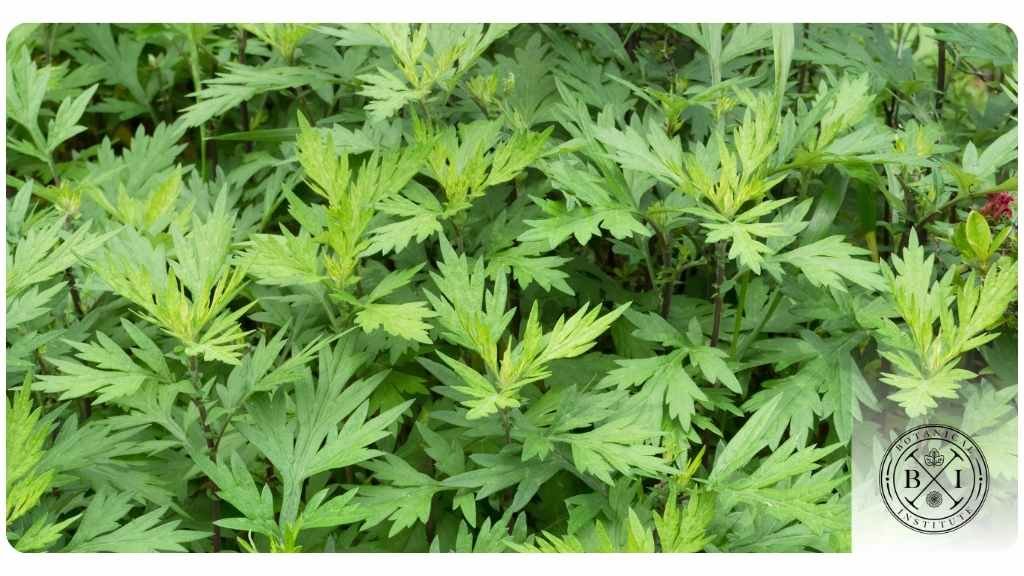
Mugwort (Artemisia vulgaris) is a fascinating herb, historically used in various contexts, including brewing. It can impart an earthy, slightly bitter, and subtly herbaceous flavor with a hint of sage-like character. Wild rosemary (Ledum palustre, often referred to as bog rosemary, distinct from common rosemary) would have contributed a pungent, aromatic, and somewhat camphoraceous note, adding complexity and a touch of wildness to the ale. These herbs, while potent, were used skillfully to create a harmonious blend.
Ginger: The Spicy Preservative
Ginger (Zingiber officinale) offers more than just a kick of spice. Its warmth and pungent aroma are undeniable, but it also possesses natural preservative properties, helping to extend the freshness of the ale. Its inclusion could brighten a gruit blend, providing a familiar and appealing spice note that cuts through other earthy flavors.
These ingredients, combined in countless variations, created gruit beers with complex herbal, spicy, earthy, and often medicinal flavor profiles. They typically offered medium-low to moderate botanical bitterness, distinct from the clean bitterness of hops, and low to moderate aromas, often resulting in a sweeter profile overall, especially when compared to the hop-forward brews that would eventually dominate the market.
Brewing Beyond the Hop Cone: How Gruit Ales Came Together
The process of brewing gruit beer had its own unique rhythm, shaped by the available technology and the characteristics of the herbs themselves. Unlike the precise hop schedules common today, gruit herbs were often integrated into the brewing process with more flexibility, added during the mash, during the boil, or even directly to the fermenter. This allowed brewers to extract different qualities from the botanicals – some for bitterness early on, others for aroma later.
Historically, the base wort was typically made by boiling malted barley with water. However, pre-industrial energy constraints meant that prolonged boiling wasn't always feasible or common. This often resulted in a less intensely boiled wort compared to later brewing practices. The timing and method of adding the gruit herbs were critical, influencing the final flavor, aroma, and even the clarity of the ale.
A key part of gruit production involved specialized facilities known as gruithuizen. These weren't just herb shops; they were often central hubs where malt and herbs were processed, sometimes into a concentrated paste or syrup, before being distributed to local brewers. This centralized control not only ensured a certain level of consistency (or at least, a regional signature) but also cemented the economic monopolies that would later contribute to gruit's downfall.
The Unsung Protector: Gruit's Role in Preservation
Before refrigeration, preservation was paramount in brewing. While not as effective as hops, traditional gruit herbs did contribute to the beer's shelf life through various antimicrobial compounds. Bog myrtle, for instance, offered myrigalone A, while yarrow brought phenolic acids to the table. Juniper berries contributed terpenes. These compounds worked to inhibit microbial growth, helping to keep spoilage organisms at bay and extending the ale's drinkability from a few days to a few weeks.
However, this natural protection had its limits. The preservation offered by gruit was simply not as robust or consistent as that provided by hops. Hops contain iso-alpha acids, which are remarkably effective bacteriostatic agents, particularly against common beer spoilage organisms like Lactobacillus. This superior antimicrobial power meant hop-brewed beers could be stored for months, not just weeks, and could withstand the rigors of long-distance trade. This disparity was a significant factor in the shift towards hops. For more on this critical comparison, read about the superior bacteriostatic effects of hops.
Why Hops Won: Unraveling Gruit's Decline
The transition from gruit to hops wasn't a sudden revolution but a gradual shift, driven by a confluence of economic, practical, and legal factors. By the late 13th to 15th centuries, several forces conspired to push gruit beer towards obsolescence:
Economic Monopolies and the Quest for Freedom
The "gruitrecht" system, while providing income for local authorities, stifled competition and innovation. Brewers were often forced to purchase gruit from designated, monopolistic sources, incurring fees and limiting their ability to experiment or reduce costs. Hops offered a way around these entrenched economic structures. By growing their own hops or buying them from independent sources, brewers could bypass the gruit monopolies, gaining economic freedom and a competitive edge.
The Unrivaled Preservation Power of Hops
As discussed, hops delivered superior preservation. For brewers looking to scale up production, distribute their product further, or simply ensure a consistent, longer-lasting brew, hops were a game-changer. The ability to store beer for months was a massive advantage, facilitating larger breweries and wider trade networks that gruit beers simply couldn't support.
Consistency in a Variable World
Gruit formulations were inherently variable. Regional and seasonal differences in herb availability and potency led to less predictable bitterness and aroma profiles. Hops, while still agricultural products, offered a more consistent and measurable source of bitterness and aroma, especially as brewing science advanced. This predictability was highly valued by brewers and consumers alike, leading to more reliable and repeatable beer styles.
Regulatory Shifts: The Law of the Land
Perhaps the most definitive blow to gruit came from changing regulations. Laws like the 1516 Bavarian Reinheitsgebot (German Purity Law) strictly limited beer ingredients to water, barley, and hops (and later, yeast was understood). These laws, often enacted to ensure beer quality or protect local agricultural interests, explicitly excluded herbal adjuncts like those found in gruit. This effectively outlawed gruit beer in many regions, accelerating its decline and cementing hops as the standard.
The Gruit Renaissance: Crafting the Future of Ancient Ales
Despite its historical decline, gruit beer is experiencing a vibrant revival in the modern craft beer scene. Brewers, driven by a thirst for historical authenticity, unique flavors, and modern craft beer innovation, are re-exploring the potential of these ancient herbal blends. This movement celebrates the diversity of botanicals and challenges the hop-centric paradigm that has dominated brewing for centuries.
Notable pioneers in this revival include:
- Dogfish Head Brewery: Known for its experimental approach, Dogfish Head has released a "Gruit" series, showcasing various historical and modern interpretations of hop-free ales.
- Williams Brothers Brewing Co.: Their Fraoch Heather Ale is perhaps one of the most widely recognized modern gruit beers, a testament to the enduring appeal of heather in brewing.
- Pivo Brewery: This brewery has gained significant recognition for its Decorah Nordic Gruit, which has garnered multiple prestigious awards, including gold medals at the Great American Beer Festival (2020, 2021) and the World Beer Cup (2023), proving that gruit beers can stand shoulder-to-shoulder with the best hop-forward brews.
The enthusiasm for gruit is not limited to individual breweries. International Gruit Day, an annual event dedicated to promoting hopless gruit ales, has grown significantly. By 2024, it included 35 breweries from multiple countries, highlighting the global interest in this ancient style. In a further sign of its growing stature, 2025 saw the introduction of the first "Gruitbeer Brewery of the Year" award, won by Swiss Brauerei Napf, solidifying gruit's place in the modern brewing lexicon.
Exploring Gruit: What to Expect from a Hop-Free Brew
If you're accustomed to the sharp, clean bitterness and aromatic punch of hops, approaching a gruit beer can be a revelation. You'll encounter a different kind of bitterness – often more earthy, resinous, or subtly peppery, derived directly from the botanicals. The aromas will be equally varied, ranging from floral and herbaceous to spicy and medicinal, all without the characteristic "hoppy" notes.
Modern gruit recreations typically land in the 4-6% ABV range, a step up from the lower 2-3% ABV common in medieval times (reflecting improvements in malting and brewing efficiency). What remains consistent across the centuries, however, is the emphasis on complexity. Gruit ales are rarely one-note beers. Instead, they offer a tapestry of flavors that can be savory, sweet, spicy, and earthy all at once, inviting you to slow down and savor each sip. Expect less aggressive bitterness and often a slightly sweeter finish than their hop-laden counterparts, allowing the nuances of the herbal blend to truly shine.
Beyond the Basics: Common Gruit Questions & Misconceptions
As gruit gains popularity, so do questions about its nature and history. Let's clear up some common points.
Are all gruit beers bitter?
Not necessarily in the way hop beers are. While many gruit herbs contribute bitterness (like bog myrtle and yarrow), it's a different kind of bitterness—often more complex, earthy, and less "clean" than hop bitterness. Some gruit blends might even prioritize floral or spicy notes, leading to a much softer, sweeter profile overall. The level of bitterness depends entirely on the specific herbs used and their proportions.
Is gruit legal today?
Absolutely! While historical laws like the Reinheitsgebot restricted gruit in certain regions, those laws primarily applied to mass-produced beer for specific markets. Today, craft brewers worldwide are free to experiment with any ingredients, including traditional gruit herbs. There are no legal restrictions on brewing or selling gruit beers in most countries, including the US and much of Europe, allowing for a vibrant scene of delving into historical brewing techniques and innovative herbal ales.
Can I brew gruit at home?
Yes, homebrewing gruit is a fantastic way to explore these ancient flavors! Many of the traditional gruit herbs are available from herbal suppliers or even wild-foraged (with proper identification). However, it requires careful recipe development, as the potency and flavor contributions of herbs can vary greatly. It's an excellent opportunity for experimentation and to connect with the roots of brewing.
Are there other "gruit" ingredients beyond those listed?
Definitely. The list above covers the most common and historically significant gruit herbs. However, gruit was a regional and seasonal phenomenon, meaning brewers used whatever local botanicals were available and effective. Other herbs that sometimes appeared in gruit blends include horehound, heather tips, caraway seeds, coriander, various wild berries, and even spices like cinnamon or nutmeg. The possibilities were, and still are, vast, allowing for a deep dive into the broader world of medieval food and drink.
Bringing History to Your Glass: How to Appreciate or Brew Gruit
Whether you're a seasoned beer connoisseur or just beginning your exploration, gruit offers a unique and rewarding experience. For those looking to taste history, seeking out gruit beers from craft breweries is the best starting point. Look for names like "gruit ale," "heather ale," or specific herbal descriptions on the label. Each sip is a journey back in time, offering a glimpse into the diverse flavors that delighted our ancestors.
If you're a homebrewer, don't be afraid to experiment. Start with well-known recipes that use bog myrtle, yarrow, or heather, and then begin to customize. Remember, balance is key: while the individual flavors of these botanicals are fascinating, the goal is a harmonious blend where no single herb overwhelms the others. Understanding the historical context and the properties of each ingredient will empower you to craft truly exceptional and authentic hop-free ales.
The world of Traditional Gruit Herbs & Botanical Ingredients is a rich tapestry of history, flavor, and innovation. It reminds us that beer is a living, evolving beverage, constantly rediscovering its past while forging new paths. To delve deeper into this captivating subject and discover more about ancient brewing, Explore our grut hub.