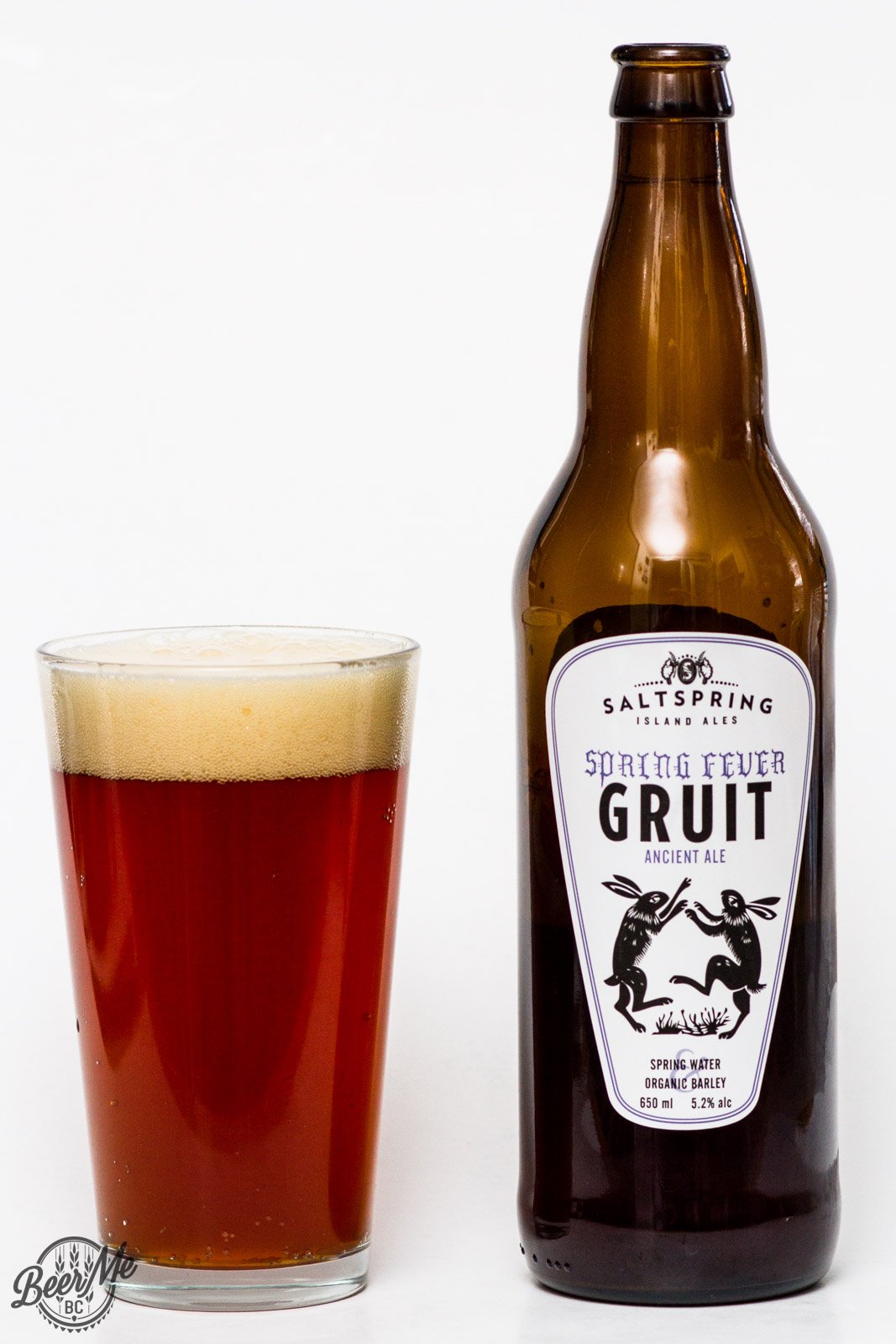
Imagine a world where beer tasted vastly different, long before hops became the ubiquitous bittering agent we know today. This isn't a fantasy; it's the rich, aromatic reality of gruit ale. Diving into what is gruit ale? Definition & history reveals a fascinating journey back to the very roots of brewing, where local herbs, spices, and plants concocted flavorful, complex, and often medicinal brews. These ancient ales offer a sensory connection to medieval European traditions, providing a taste of history that's experiencing a remarkable revival among today's adventurous brewers.
At a Glance: Gruit Ale Essentials
- What it is: An ancient style of beer brewed without hops, using a blend of herbs, spices, and plants (known as "gruit") for flavor and preservation.
- Historical Significance: Dominated European brewing for centuries before hops gained widespread acceptance, dating back to the 11th-14th centuries.
- Key Ingredients: Commonly features yarrow, sweet gale (bog myrtle), heather, rosemary, and juniper berries, chosen for local availability and properties.
- Flavor Profile: Broad and complex, ranging from bitter and earthy to floral, sweet, spicy, and resinous, unlike the more consistent bitterness of hops.
- Modern Comeback: Experiencing a significant revival among craft brewers seeking unique flavors and a return to historical brewing methods.
Beyond Hops: Unearthing the Gruit Tradition
Before the hop cone became the undisputed champion of the brewing world, a diverse array of botanical ingredients reigned supreme. This era was defined by gruit ale, a testament to human ingenuity and a deep connection to the natural world. It wasn't just a different way to brew; it was a reflection of local ecosystems, culinary traditions, and even folk medicine.
What Exactly Is Gruit Ale?
At its core, gruit ale is beer flavored and preserved by a proprietary blend of herbs, spices, and other plant matter rather than hops. The term "gruit" refers specifically to this herbal mixture itself, which was often a jealously guarded secret held by local authorities or specialized "gruit houses" in medieval Europe. Think of it as the original spice rack for brewers, where each plant contributed its unique properties to the final brew.
These blends weren't simply for taste, though flavor was certainly a crucial factor. Many gruit ingredients also boasted natural preservative qualities, helping to extend the shelf life of the beer in an age before refrigeration. Moreover, some were believed to offer medicinal benefits, adding an extra layer of purpose to every pint.
A Walk Through Time: Gruit Before Hops
For centuries, gruit was the dominant flavoring and preservative in beer across medieval Europe. Imagine a landscape dotted with villages, each brewing beer with ingredients foraged from its immediate surroundings. This localized approach led to an incredible diversity of gruit ales, with flavors varying dramatically from one region to the next, sometimes even from one village to another.
From the early Middle Ages, roughly the 6th century, right up until the widespread adoption of hops between the 11th and 14th centuries, gruit was king. Hops, initially cultivated in monastic gardens, slowly began to spread, offering brewers a consistent, predictable bitterness and potent preservative qualities due to their alpha acid content. This standardization eventually led to gruit's decline, but its historical footprint remains immense, reminding us of beer's truly ancient and varied origins.
Why Gruit? The Purpose Behind the Plants
The choice to use gruit wasn't arbitrary; it was a deliberate blend of necessity, flavor, and tradition. Brewers sought specific characteristics from their herbal mixes:
- Flavor and Aroma: Gruit provided an expansive palette of tastes. From the piney bitterness of juniper to the floral sweetness of heather or the earthy notes of mugwort, these ingredients offered complex, layered flavors that hops, by themselves, simply couldn't replicate.
- Preservation: Before modern techniques, extending beer's shelf life was paramount. Many gruit ingredients, like sweet gale and yarrow, possess natural antimicrobial properties that helped keep spoilage at bay. This was a critical function, ensuring that batches of beer could last longer and travel further.
- Medicinal and Psychoactive Properties: Some herbs included in gruit blends were believed to have medicinal qualities, offering everything from digestive aids to mild sedative effects. While modern understanding of these properties is more nuanced, in medieval times, beer was often considered a nourishing and therapeutic beverage, and gruit certainly played a role in that perception. It offered a unique fusion of bitterness, sweetness, spice, aroma, earthiness, and resinous notes, all derived directly from nature.
The Brewer's Garden: Key Gruit Ingredients and Their Magic
The beauty of gruit lies in its diversity. There was no single "gruit recipe"; rather, it was an ever-evolving blend of regionally available and traditionally valued plants. This flexibility allowed for incredible creativity and variation, making each gruit ale a unique expression of its terroir.
A Symphony of Flavors: Common Gruit Herbs
While specific blends varied, certain herbs appeared frequently in gruit recipes due to their potent flavors, aromas, and preservative qualities. Here are some of the most common players you'd find in a medieval brewer's garden (or gathered from the wild):
- Yarrow (Achillea millefolium): Often considered a foundational gruit herb, yarrow contributes a distinct bitter, floral, and slightly spicy note. It's also recognized for its traditional medicinal uses, including aiding digestion.
- Sweet Gale / Bog Myrtle (Myrica gale): This aromatic shrub offers a unique, slightly bitter, resinous, and subtly spicy flavor, often described as piney or eucalyptus-like. It was highly valued for its preservative properties and contributes a pleasant head retention to beer.
- Heather (Calluna vulgaris): Known for its delicate floral aroma and slightly sweet, earthy taste, heather was particularly popular in Scottish gruit ales. It can lend a beautiful golden hue to the finished beer.
- Rosemary (Salvia rosmarinus): A strongly aromatic herb, rosemary imparts piney, peppery, and slightly camphoraceous notes. Used sparingly, it adds a sophisticated herbal complexity.
- Juniper Berries (Juniperus communis): These small berries bring a potent piney, citrus-like, and resinous flavor, with a touch of sweetness. Juniper has a long history in both culinary and medicinal applications, and it's a staple in many traditional beverages, including gin.
- Mugwort (Artemisia vulgaris): Mugwort offers an earthy, slightly bitter, and aromatic character, sometimes with a hint of sage. It was historically associated with various medicinal properties and could contribute to a mild calming effect.
- Dandelion (Taraxacum officinale): While often seen as a weed today, dandelion was a valued gruit ingredient. It provides a mild, earthy bitterness, particularly from its roots, and a delicate floral note from its petals.
- Ginger (Zingiber officinale): Though not always indigenous to Europe, ginger found its way into some gruit blends, providing a spicy kick and acting as a natural preservative. Its warming properties were especially appreciated in colder climates.
These ingredients, individually or in combination, created beers with character and depth that stand in stark contrast to the more uniform profile often found in hop-dominated brews.
Beyond Bitterness: Gruit vs. Hops
When comparing gruit and hops, it's not just about different ingredients; it's about fundamentally different approaches to flavor and consistency. Hops provide a relatively consistent bitterness, along with notes of floral, citrus, or pine, depending on the variety. They are efficient and predictable.
Gruit, on the other hand, offers a broader, less predictable, and often more complex range of flavors. Each herb brings its unique personality, leading to a beer that can be surprisingly nuanced, earthy, spicy, or subtly sweet. While hops provide a clean, sharp bitterness, gruit often layers various types of bitterness with other aromatic and savory components. Understanding the historical shift to hops is key to appreciating why gruit faded and why its return is so significant.
The challenge with gruit lies in its variability. Sourcing, freshness, and the specific blend of herbs can dramatically alter the final product. This unpredictability, however, is precisely what appeals to many modern brewers and enthusiasts looking for something genuinely unique and artisan.
Crafting the Herbal Brew: The Gruit Ale Process
Making gruit ale is, in many ways, similar to brewing traditional beer, but with a crucial divergence in the flavoring stage. It’s a process that emphasizes mindful ingredient selection and a willingness to experiment with nature’s bounty.
From Wort to Wonderful: How Gruit Beer is Made
The basic process of crafting a gruit ale follows these key steps:
- Mashing and Lautering: Just like any beer, it begins with malted grains (barley, wheat, rye, or oats) steeped in hot water to convert starches into fermentable sugars, creating a sweet liquid called wort. The grains are then separated from the wort.
- The Gruit Boil: This is where the magic happens. The prepared gruit herbs are added to the wort during the boil. Unlike hops, which are often added at different stages for varying levels of bitterness and aroma, gruit herbs are typically added all at once for the full duration of the boil (or sometimes steeped post-boil). The specific timing and duration can influence the extraction of flavors and aromas from the herbs. This step is critical for imparting the unique characteristics of the gruit blend into the beer.
- Cooling and Fermentation: After boiling, the wort is quickly cooled to fermentation temperature, and yeast is added. The yeast consumes the sugars, producing alcohol and carbon dioxide.
- Conditioning and Aging: Once fermentation is complete, the gruit ale is conditioned, often in bottles or kegs. While some gruit ales can be enjoyed young, many benefit from aging, which allows the complex herbal flavors to mellow, integrate, and develop greater depth over time.
This process, while seemingly straightforward, allows for immense creativity in ingredient selection and blending, transforming a simple grain base into a symphony of herbal notes.
The Art of Balance: Ingredient Selection and Proportions
Brewing a truly exceptional gruit ale requires an understanding of how each herb interacts with the malt base and with other herbs. It's a delicate balance of bitterness, aroma, and flavor.
- Local and Seasonal: Historically, gruit ingredients were chosen for local availability and seasonal freshness. This tradition continues today, with many gruit brewers foraging for ingredients or sourcing them from local herb gardens.
- Property-Driven Choices: Brewers carefully select herbs for specific properties: yarrow for bitterness, sweet gale for aroma and preservation, ginger for spice, dandelion for earthy notes, and so on. Understanding the medicinal properties of brewing ingredients can also inform choices, though modern brewing focuses more on flavor and safety.
- Taste and Aroma Testing: Because gruit herbs can be potent, brewers often experiment with small batches or conduct sensory tests to determine optimal proportions. Too much of one herb can overpower the brew, while too little might not provide the desired effect. It's a trial-and-error process that rewards patience and a keen palate.
This thoughtful approach ensures that each gruit ale is not just a beer, but a carefully curated botanical experience.
The Waning and Waxing of Gruit: A Tale of Standardization and Revival
The story of gruit ale is one of both decline and remarkable resurgence. Its historical trajectory offers insights into the evolving nature of brewing, from localized tradition to industrial standardization, and back again to artisan craft.
The Rise of the Humble Hop: Why Gruit Faded
The widespread adoption of hops marked a turning point in brewing history, leading directly to gruit's decline. Several factors contributed to this shift:
- Consistency and Predictability: Hops provided a consistent and predictable bittering agent and preservative. Their alpha acids offered reliable antimicrobial properties and a stable flavor profile, making quality control easier for brewers, especially as brewing began to scale.
- Commercial Advantage: As brewing moved from local, small-scale operations to larger commercial enterprises, the standardization offered by hops became a significant advantage. It allowed for uniform products that could be brewed consistently across different batches and sold over wider geographical areas.
- Taxation and Regulation: In some regions, hops were favored or even mandated by local laws, partly for quality control and partly for economic reasons. For instance, the famous German Reinheitsgebot (Beer Purity Law) of 1516, while specifically for Bavaria, enshrined hops as the sole bittering agent, effectively outlawing gruit in areas where the law was adopted.
- Ease of Use: Hops are generally easier to store and use than a diverse array of fresh or dried herbs, simplifying the brewing process for larger operations.
These advantages collectively pushed gruit ales into obscurity for centuries, becoming little more than a historical footnote in most brewing texts.
A Modern Renaissance: Gruit in Today's Craft Scene
Thankfully, gruit's story doesn't end there. In recent decades, a vibrant revival has brought these herbal brews back into the spotlight. Driven by the broader craft beer movement's thirst for innovation, tradition, and unique flavors, gruit ales are once again finding their way into pints and palates. This resurgence is part of the broader craft beer revival that seeks to push boundaries and rediscover forgotten techniques.
Craft brewers are experimenting with both historical gruit recipes and innovative herbal combinations, blending ancient techniques with modern brewing science. They're exploring the rich, complex flavors that these herbs offer, often highlighting local flora and sustainable foraging practices.
Spotlight on Innovators: Brewers Leading the Gruit Resurgence
The modern gruit movement is fueled by adventurous brewers dedicated to exploring its potential:
- Dogfish Head Brewery: Known for its experimental approach, Dogfish Head has been a significant proponent of gruit ales. Their "Gruit" series, for example, has featured blends including mugwort, yarrow, and hibiscus, showcasing the diverse flavor profiles possible without hops. They actively explore historical brewing methods and ancient ingredients.
- Boston Beer Company: Even larger craft breweries like Boston Beer Company (brewers of Samuel Adams) have delved into gruit brewing, indicating a growing mainstream acceptance and curiosity about these historical styles.
- Diebolt Brewery: This brewery crafted a saison with dandelion petals and no hops, demonstrating how contemporary styles can be reimagined through a gruit lens. It's a perfect example of how traditional gruit ingredients can be integrated into modern beer styles, creating unique and compelling brews.
It's important to remember that while the core definition of gruit ale excludes hops, the modern scene also sees "herbal beers" that do include hops alongside other botanicals. These are distinct from traditional gruit ales, but they are part of the broader movement celebrating botanical infusions in beer. The revival of gruit is more than just a trend; it's a testament to the enduring appeal of unique flavors, historical authenticity, and the endless possibilities of brewing.
Navigating the Gruit Landscape: Common Questions and Misconceptions
As gruit ales become more widely available and discussed, several questions and misconceptions often arise. Clearing these up can help you better appreciate and explore this unique brewing tradition.
Is All Herbal Beer Gruit Beer?
No, and this is a common point of confusion. The defining characteristic of a true gruit ale is the absence of hops. If a beer contains hops and other herbs or spices, it's typically categorized as an "herbal beer," "spiced beer," or "botanical beer," but not strictly a gruit ale.
Many modern brewers create delicious herbal beers that incorporate hops alongside ingredients like chamomile, orange peel, coriander, or even chili peppers. These are fantastic beers, but they don't fit the historical or traditional definition of a gruit ale. The distinction lies in whether hops are the primary bittering and preservative agent, or if that role is entirely fulfilled by the gruit blend.
Can I Brew Gruit Ale at Home?
Absolutely! Brewing gruit ale at home is a fantastic way to connect with brewing history and explore your own creativity. The process is similar to brewing any other beer, with the main difference being your ingredient list.
Tips for home gruit brewing:
- Start Simple: Don't try to use 10 different herbs in your first batch. Begin with a few well-understood gruit staples like yarrow and sweet gale, or heather, to understand their individual contributions.
- Research and Forage Responsibly: If you plan to forage for ingredients, ensure you can accurately identify plants and understand any potential toxic look-alikes. Always harvest sustainably and with permission.
- Consider Ingredient Potency: Some herbs are very potent, so start with smaller quantities and taste test. It's easier to add more flavor than to take it away.
- Documentation is Key: Keep detailed notes on your recipes, ingredient sourcing, and tasting experiences. This will help you refine your blends over time.
- Safety First: Always ensure any plant you use is safe for consumption and doesn't interact negatively with other ingredients or medications.
Homebrewing gruit offers a rewarding journey into ancient techniques and personalized flavor profiles. It's a wonderful opportunity to explore other traditional brewing techniques and adapt them to your own palate.
What Should I Expect When Tasting a Gruit Ale?
If you're accustomed to hop-forward beers, a gruit ale can be a surprising and delightful departure. Here’s what you might encounter:
- Complex Aromas: Expect a bouquet that might include earthy, floral, spicy, resinous, or even slightly medicinal notes. The absence of strong hop aroma allows these herbal notes to truly shine.
- Varied Bitterness: The bitterness in gruit is often different from hop bitterness. It can be more herbaceous, rooty, or tannic, and sometimes accompanied by a perceived sweetness or spiciness from the other herbs.
- Unique Mouthfeel: Depending on the herbs used, a gruit ale might have a different mouthfeel than you're used to – perhaps slightly drying, warming, or even subtly viscous.
- Earthiness and Savory Notes: Many gruit herbs contribute a pronounced earthy or even savory character, grounding the beer in a way that is distinctly non-hoppy.
- Lack of "Hop Burn": For those sensitive to intense hop bitterness or specific hop flavors, gruit can offer a refreshing alternative, providing complexity without the characteristic "hop burn" of some IPAs.
Approach a gruit ale with an open mind and a curious palate. Each one is a unique creation, reflecting the specific blend of herbs and the brewer's vision.
Beyond the Glass: Why Gruit Matters Today
The revival of gruit ale is more than just a passing trend in the craft beer world. It represents a deeper connection to history, a commitment to innovation, and a conscious choice to explore diverse flavors and sustainable practices.
A Link to the Past, a Taste of the Future
Gruit ales offer a tangible link to a bygone era, allowing us to taste and experience the brewing traditions that sustained communities for centuries. They remind us that beer's history is incredibly rich and varied, far beyond the narrow scope of modern, hop-centric styles.
Simultaneously, gruit points towards the future. As consumers seek unique, authentic, and artisan products, gruit ales stand out. They inspire brewers to look beyond conventional ingredients and methods, fostering a spirit of culinary adventure and innovation that continuously pushes the boundaries of what beer can be. This historical perspective, combined with modern creativity, ensures gruit will remain a fascinating subject for years to come.
Environmental Considerations: Local & Sustainable Brewing
The gruit tradition, by its very nature, encourages local sourcing and foraging. This aligns perfectly with growing interests in sustainable practices and reducing environmental footprints.
- Local Sourcing: Many gruit herbs can be found or grown locally, reducing the need for long-distance transport of ingredients. This supports local ecosystems and economies.
- Foraging: Foraging for wild gruit ingredients, when done responsibly and knowledgeably, connects brewers directly with their natural environment and highlights the bounty that surrounds us. This also relates to ancient beer preservation methods which were often locally sourced too.
- Reduced Water Use (Hops): While hops are a vital agricultural crop, their cultivation can be water-intensive. Brewing without hops can, in some contexts, contribute to more water-efficient practices, though this varies greatly depending on other ingredients.
By embracing gruit, brewers can tap into a tradition that inherently promotes an environmentally conscious approach to crafting beverages.
Your Invitation to Explore: Discovering Gruit Ale
If you've never tried a gruit ale, you're missing out on a truly unique beer experience. Seek them out at specialty craft beer stores, breweries known for experimentation, or online retailers. Look for labels that explicitly state "gruit ale" or mention the absence of hops and highlight their herbal blends.
When you do find one, take a moment to savor it. Notice the complex aromas, the nuanced bitterness, and the intricate dance of flavors that come from a centuries-old tradition. It's more than just a drink; it's a sip of history, a journey into botanical artistry, and a celebration of brewing diversity. For a deeper dive into these ancient brews, you might want to Learn more about Grut and its broader context.
Embracing the Herbal Journey: Your Next Steps into Gruit
The world of gruit ale is vast and fascinating, offering a refreshing departure from the ordinary. Whether you're a curious drinker, an adventurous homebrewer, or simply a history buff, there's much to discover in these herbal brews.
Your journey into gruit doesn't have to end with reading. Seek out gruit ales from local craft breweries, attend beer festivals that feature historical styles, or even consider brewing your own. Experiment with different herb combinations, explore regional gruit traditions, and connect with other enthusiasts who share a passion for these ancient brews.
By exploring gruit ale, you're not just trying a different kind of beer; you're participating in a living history, celebrating nature's bounty, and supporting a movement that values craftsmanship, authenticity, and the endless possibilities of flavor. So raise a glass to the brewers of old, and to the innovative spirits bringing gruit back to life today.